
January 22, 2026
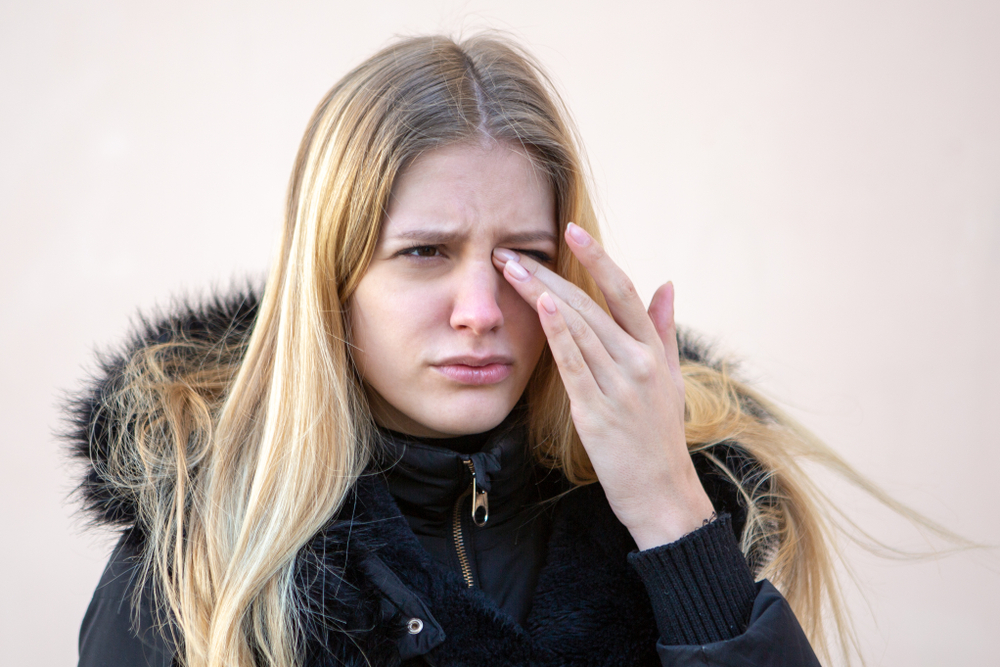
Cold weather can be surprisingly harsh on your eyes, and for many people, winter symptoms go beyond simple dryness. Conditions like dry eye disease, meibomian gland dysfunction (MGD), and blepharitis often worsen during the colder months, making itching one of the most common complaints we hear from patients.
How Winter Weather Affects Your Eyes
During winter, indoor heating systems lower humidity levels, which dries out the tear film that protects your eyes. Cold outdoor air and wind can also cause tears to evaporate more quickly. When your eyes don’t have enough stable moisture, irritation, itching, burning, and redness can follow.
On top of that, people tend to blink less when staring at screens indoors, which further reduces tear distribution and worsens symptoms.
The Role of Dry Eye Disease
Dry eye disease occurs when your eyes don’t produce enough tears, or when tears evaporate too quickly. In winter, this imbalance becomes more pronounced. As the tear film breaks down, the surface of the eye becomes irritated, often leading to itching, stinging, and a persistent uncomfortable sensation that doesn’t improve with basic eye drops.
Meibomian Gland Dysfunction (MGD) and Winter Itching
MGD is one of the most common underlying causes of dry eye. The meibomian glands, located along the eyelids, produce oils that prevent tears from evaporating too fast. In colder months, these oils can become thicker and harder to release, leading to clogged glands.
When the tear film lacks enough oil, tears evaporate quickly, leaving the eyes dry, inflamed, and itchy. Many patients with MGD notice their symptoms are significantly worse in winter.
Blepharitis and Eyelid Inflammation
Blepharitis is a chronic inflammation of the eyelids that often occurs alongside MGD. It can cause itching along the lash line, redness, flaky debris on the eyelids, and a burning or gritty feeling in the eyes. Cold weather, reduced lid hygiene routines, and increased dryness can all trigger flare-ups during winter.
Because blepharitis affects the eyelids directly, patients often mistake the itching for allergies, when the real issue lies in eyelid inflammation.
Advanced Treatment with IPL Therapy
For patients with chronic dry eye, MGD, or blepharitis, advanced treatments such as Intense Pulsed Light (IPL) therapy can be highly effective. IPL uses controlled light pulses to reduce inflammation around the eyelids and improve meibomian gland function. By helping the glands produce healthier oils, IPL supports a more stable tear film and can significantly reduce itching, dryness, and irritation
Schedule Your Dry Eye Evaluation Today
Dry eye disease, meibomian gland dysfunction, and blepharitis often worsen in cold, dry conditions and require more than basic treatments to manage effectively. Identifying the underlying cause is key to finding long-term comfort and protecting your eye health year-round.
If winter eye itching is interfering with your daily comfort, schedule a consultation at East Main Vision Clinic and learn whether advanced treatments like IPL could be right for you. Visit our office in Puyallup, Washington, or call (253) 780-0700 to book an appointment today

© 2026 East Main Vision Clinic - All rights Reserved - Sitemap - Privacy Policy - Accesibility Statement - Powered by: 