
October 23, 2026
Myopia, or nearsightedness, can make everyday activities like driving, reading road signs, or seeing objects in the distance more challenging. While some people experience only mild blurriness, others need glasses regularly to maintain clear vision. At East Main Vision Clinic in Puyallup, WA, we help patients determine whether their level of myopia requires glasses based on their prescription, visual needs, and daily activities.
Understanding Myopia and Prescription Strength
Myopia occurs when light focuses in front of the retina instead of directly on it. Eyeglasses correct this focusing error, helping you see distant objects more clearly.
Myopia prescriptions are measured in diopters (D) and appear as negative numbers, such as -0.50 or -2.00. The larger the negative number, the stronger the prescription needed to correct your distance vision. However, there is no single prescription strength that automatically means everyone needs glasses. Your visual clarity, symptoms, and daily activities all influence that decision.
What Level of Myopia Requires Glasses?
Myopia is generally categorized into three levels:
Mild Myopia (-0.50 to -2.75 D): You may experience slight distance blur. Some patients only need glasses for specific activities, such as driving, watching movies, or viewing presentations.
Moderate Myopia (-3.00 to -5.75 D): Distant objects become noticeably blurry. Glasses are typically needed for many everyday activities, including driving, attending classes, and navigating unfamiliar surroundings.
High Myopia (-6.00 D or Stronger): Distance vision is significantly affected, making corrective lenses essential for clear everyday vision. High myopia also increases the risk of certain eye conditions, making regular eye health evaluations especially important.
These ranges describe prescription strength, not strict rules for prescribing glasses. Even someone with mild myopia may benefit from wearing glasses regularly.
Signs You May Need Glasses for Myopia
You don't necessarily need a strong prescription to notice vision problems. Common signs that glasses may help include squinting to see distant objects, frequent eyestrain, headaches, and difficulty reading signs.
Some people also notice that driving at night becomes more challenging because distant details appear less distinct. If these symptoms sound familiar, a comprehensive eye exam can help determine whether myopia or another vision concern is responsible.
Do Children With Mild Myopia Need Glasses?
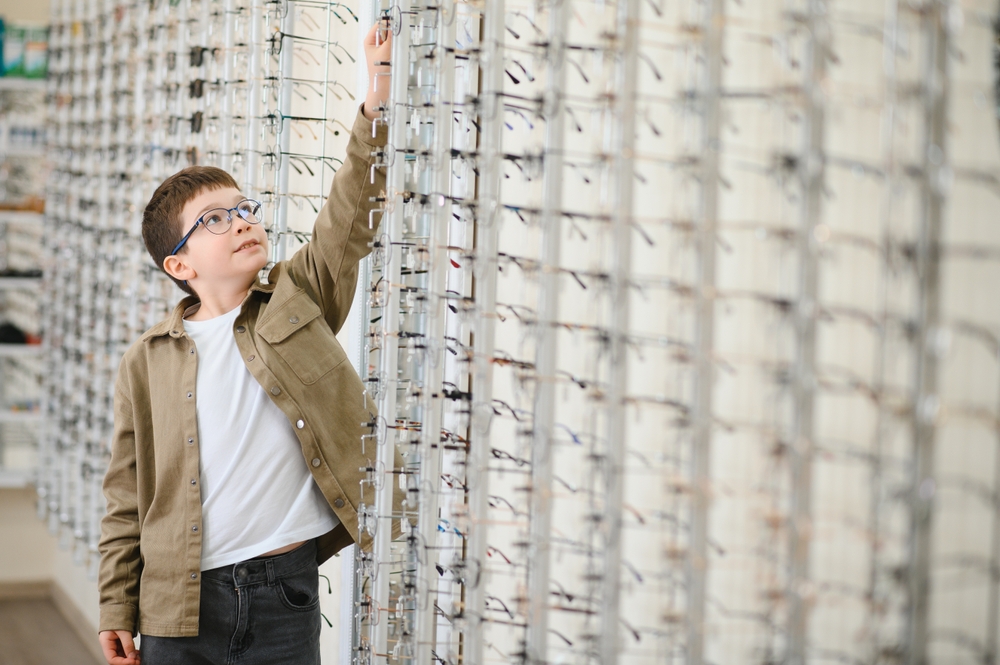
Children can develop myopia as their eyes grow, and their prescriptions may change throughout childhood and adolescence. Even mild nearsightedness can make classroom activities challenging, particularly when children struggle to see the board or recognize details across the room.
At our Puyallup practice, we evaluate children's vision and recommend appropriate correction based on their individual needs. We also offer myopia management options designed to help slow progression in eligible children.
How We Determine Whether You Need Glasses
During a comprehensive eye exam, we assess your visual acuity, measure your prescription, and evaluate your overall eye health. We consider how your vision affects daily activities before recommending glasses for full-time wear or specific situations. Our goal is to provide clear, comfortable vision with a prescription suited to your needs.
If you're experiencing blurry distance vision, schedule an eye exam with East Main Vision Clinic to find out whether glasses are right for you or your child. Contact our office in Puyallup, Washington, by calling (253) 780-0700 to book an appointment today.

© 2026 East Main Vision Clinic - All rights Reserved - Sitemap - Privacy Policy - Accesibility Statement - Powered by: 