

August 26, 2026
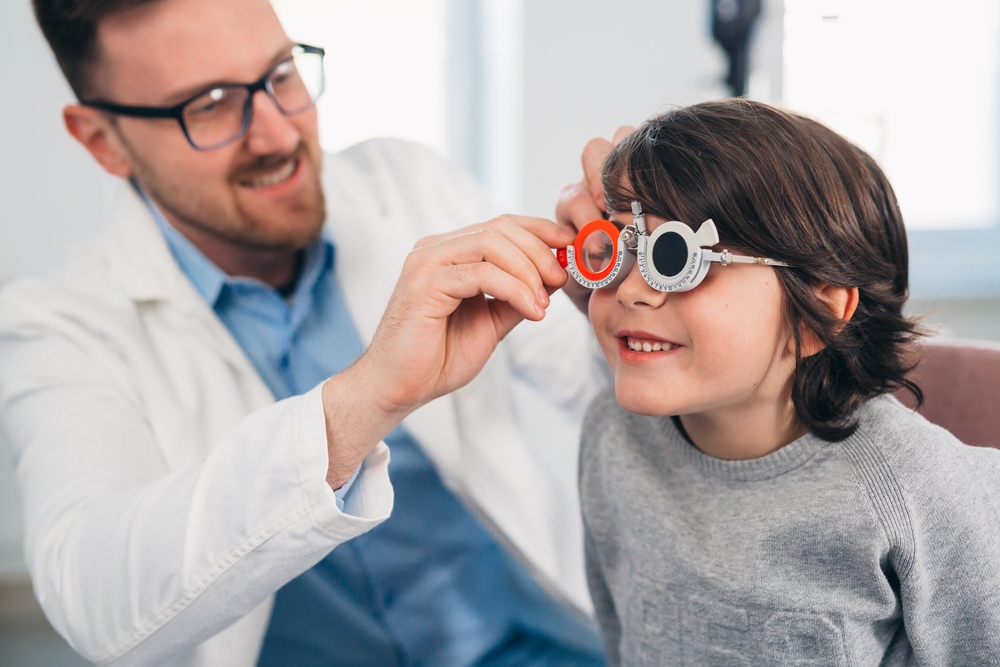
A child’s vision affects how they read, write, use digital devices, follow classroom instruction, and participate in activities. However, children do not always recognize or explain when something looks unclear. Scheduling back-to-school eye exams in Puyallup gives families an opportunity to identify vision problems before they interfere with the new school year.
Vision Changes Can Happen Between School Years
Children’s eyes continue developing as they grow, and their prescriptions can change faster than parents expect. A child who saw clearly last year may now struggle to read the board, recognize details at a distance, or focus on small print.
A comprehensive eye exam checks visual clarity and determines whether glasses or contact lenses need to be updated. Starting school with the correct prescription can make classroom tasks more comfortable.
School Screenings Do Not Evaluate Every Visual Skill
A school vision screening provides basic information, but it is not a replacement for a comprehensive eye exam. Many screenings focus primarily on distance vision and may not identify problems with focusing, eye alignment, tracking, or how well the eyes work together.
Back-to-school eye exams allow us to evaluate both eyesight and overall eye function. This is especially important when a child has difficulty reading or completing close-up work despite passing a screening.
Vision Problems Can Look Like Learning or Attention Issues
Children with uncorrected vision problems may avoid reading, lose their place, work slowly, or have trouble staying focused. These behaviors can sometimes appear to be related to motivation or attention when the child is experiencing visual discomfort.
Signs parents and teachers should watch for include:
Squinting or covering one eye
Sitting unusually close to screens
Frequent headaches after school
Losing their place while reading
Rubbing the eyes or avoiding homework
A pediatric eye exam in Puyallup can help determine whether vision is contributing to these challenges.
Nearsightedness May Progress During Childhood
Myopia, or nearsightedness, causes distant objects to appear blurry and often progresses throughout the school years. A child may begin moving closer to the board, squinting across the classroom, or needing stronger glasses each year.
A back-to-school eye exam allows us to monitor prescription changes and discuss myopia management when appropriate. Options such as specialty contact lenses, overnight Ortho-K lenses, Stellest lenses, MiSight 1 day contact lenses, or low-dose atropine may help slow myopia progression for qualifying children.
Updated Eyewear Supports School and Activities
Old, damaged, or poorly fitting glasses can become distracting during the school day. Frames that slide down, scratched lenses, or an outdated prescription may affect comfort and visual clarity.
Before classes begin, we can confirm that your child’s eyewear fits properly and provides the vision needed for reading, computer use, sports, and other activities. Families in Puyallup can also explore updated frame and lens options designed for an active school schedule.
Schedule your child’s comprehensive eye exam with East Main Vision Clinic to help them begin the school year with clear, comfortable vision and greater confidence in the classroom. Visit our office in Puyallup, Washington, or call (253) 780-0700 to book an appointment today.

© 2026 East Main Vision Clinic - All rights Reserved - Sitemap - Privacy Policy - Accesibility Statement - Powered by: 