
July 24, 2026
When a child struggles with reading, focus, headaches, or schoolwork, the first thought is not always an eye teaming problem. However, binocular vision dysfunction in kids can make everyday tasks harder because the two eyes are not working together as smoothly as they should. For families in Puyallup, a comprehensive pediatric eye exam can help identify whether vision is affecting comfort, learning, or confidence.
What Is Binocular Vision Dysfunction?
Binocular vision is the way both eyes work together to create one clear, comfortable image. When the eyes do not team properly, the brain has to work harder to process what the child sees. This is known as binocular vision dysfunction.
A child with binocular vision dysfunction may still pass a basic school vision screening because those screenings often focus on distance clarity. The issue is not always whether a child can see letters on a chart. It may be how well the eyes align, track, focus, and work together during close-up tasks like reading, writing, and screen use.
Signs Parents Should Watch For
Children do not always know how to explain what feels wrong with their vision. Instead, symptoms may show up as behavior, frustration, or avoidance. Parents in Puyallup may want to schedule a pediatric eye exam if they notice:
- Frequent headaches or eye strain
- Skipping lines or losing place while reading
- Closing or covering one eye
- Trouble concentrating on homework
- Words appearing to move, blur, or double
- Poor reading stamina
- Motion sensitivity or dizziness
- Avoiding books, screens, or close-up work
These signs do not always mean a child has binocular vision dysfunction, but they are important reasons to take a closer look.
Why It Can Affect Learning And Daily Comfort
Reading, writing, sports, and classroom learning all depend on comfortable visual coordination. When the eyes are not working as a team, a child may spend more energy trying to keep vision stable than understanding the lesson in front of them.
This can lead to fatigue, short attention span, or frustration with schoolwork. Some children may be mislabeled as careless or distracted when the real issue is visual discomfort. A thorough eye exam in Puyallup can help separate a vision problem from other learning or attention concerns.
How A Pediatric Eye Exam Helps
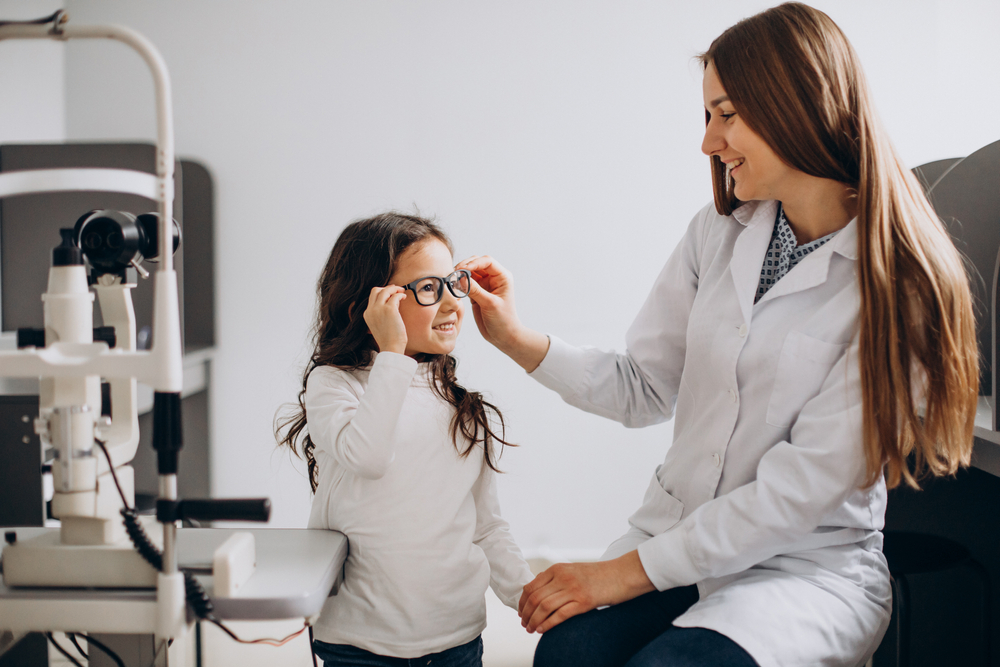
A comprehensive pediatric eye exam looks beyond whether your child needs glasses. At East Main Vision Clinic, eye exams can evaluate visual clarity, eye health, focusing ability, tracking, and how the brain and eyes work together.
This matters because binocular vision dysfunction often requires a more detailed evaluation than a basic screening can provide. The goal is to understand how your child uses their vision in real life, especially during reading, school, sports, and screen time.
Treatment Depends On The Child
Every child is different, so treatment for binocular vision dysfunction depends on the exam findings. Some children may benefit from prescription lenses, while others may need additional support for eye teaming or focusing skills. The right plan starts with an accurate diagnosis.
For Puyallup parents, early evaluation can make a meaningful difference. When children see more comfortably, they often feel more confident with reading, learning, and daily activities.
Dr. Day sees children 5 and older. Schedule your child’s pediatric eye exam for binocular vision dysfunction with East Main Vision Clinic to learn more about treatment options. Visit our office in Puyallup, Washington, or call (253) 780-0700 to book an appointment today.

© 2026 East Main Vision Clinic - All rights Reserved - Sitemap - Privacy Policy - Accesibility Statement - Powered by: 